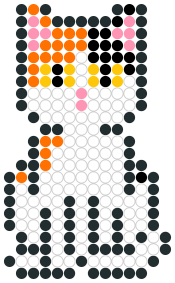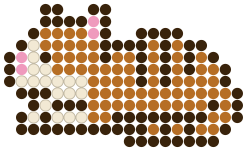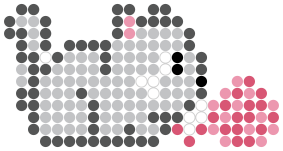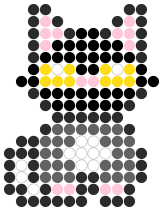
Black Cat
13 × 176 colorsMedium
Pick a pattern to see its bead list, print it at actual size or place the beads online. Every pattern is drawn on a bead grid and checked against its source picture.
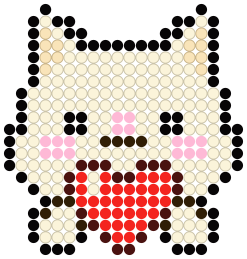
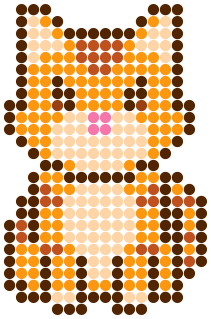
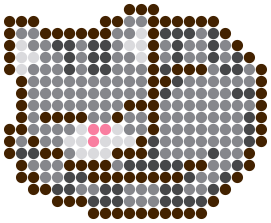
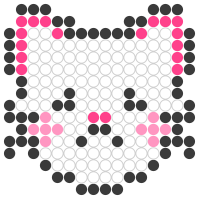
8 cat patterns, from Black Cat at 13×17 (160 beads) to Orange Tabby Cat at 17×26 (360 beads). All of them fit one 29×29 pegboard and 1 is rated easy. Cat Loaf uses the fewest colors (4).
Black Cat · Calico Cat · Cat Loaf · Cat with Heart · Cat with Yarn Ball · Orange Tabby Cat · Sleeping Gray Cat · White Kitten Face
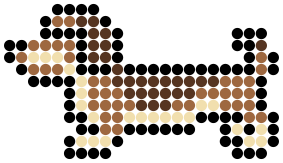
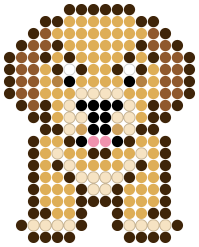
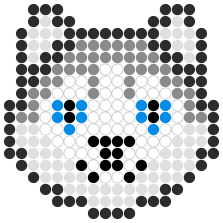
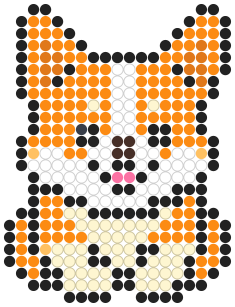
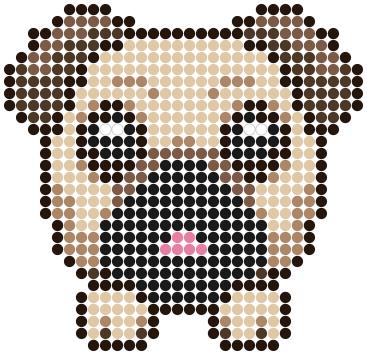
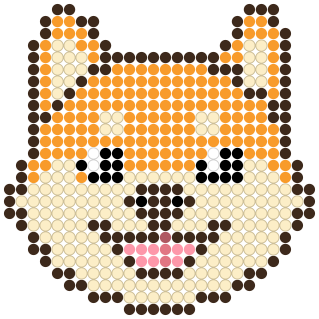
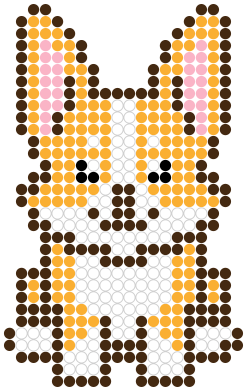
7 dog patterns, from Dachshund at 23×13 (172 beads) to Pug Face at 30×29 (638 beads). 5 of them fit one 29×29 pegboard and 1 is rated easy. Dachshund uses the fewest colors (4).
Dachshund · Golden Retriever Puppy · Husky Face · Orange and White Corgi · Pug Face · Shiba Inu Face · Sitting Corgi
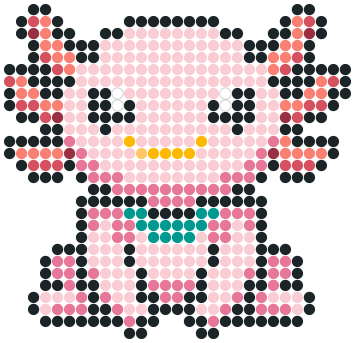
Pink Axolotl is 29×28 beads (593 beads) in 10 colors, rated hard, and fits one 29×29 pegboard.
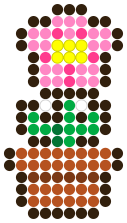
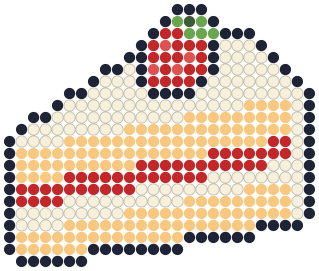
Strawberry Cake Slice is 26×22 beads (416 beads) in 7 colors, rated medium, and fits one 29×29 pegboard.
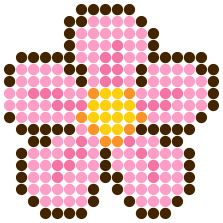
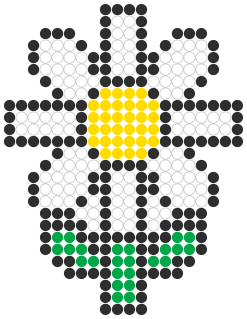
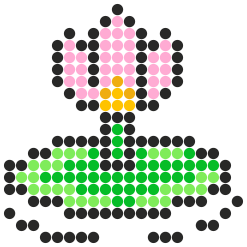
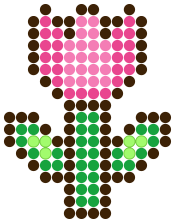
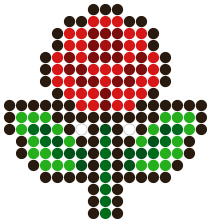
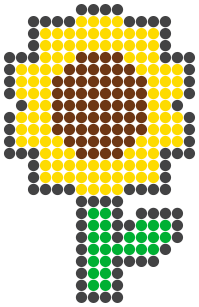
8 flower patterns, from Potted Flower at 10×18 (134 beads) to Daisy at 20×26 (334 beads). All of them fit one 29×29 pegboard and 4 are rated easy. Hibiscus uses the fewest colors (3).
Cherry Blossom · Daisy · Hibiscus · Lotus Flower · Pink Tulip · Potted Flower · Red Rose · Sunflower
Start with the size. A pattern that is 29 beads or less in both directions fits one 29×29 square pegboard, such as Hama’s 841-peg large square board. 2 patterns here are bigger and need more than one board joined together: Pug Face, Sitting Corgi. Finished sizes on each pattern page assume 5 mm beads and are approximate.
Then check the difficulty. We rate a pattern easy when it has five colors or fewer, 300 beads or fewer and no more than two single beads standing apart from their color. It is hard with ten or more colors, 900 or more beads or ten or more single beads. Everything in between is medium.
Finally, look at the colors. Fewer colors means fewer bags to buy. The bead list on each pattern page gives the exact count for every color, so you can add a few spares and shop once.
Before you iron your first piece, read our guides: How to iron Perler beads · Perler vs Hama vs Artkal
Upload a picture and get a chart with exact bead counts. Free, in your browser.